• Welcome to your new Gnomio site

    Now, you are in control!

    Moodle is an open-source Learning Management System (LMS) that provides educators with the tools and features to create and manage online courses. It allows educators to organize course materials, create quizzes and assignments, host discussion forums, and track student progress. Moodle is highly flexible and can be customized to meet the specific needs of different institutions and learning environments.

    Moodle supports both synchronous and asynchronous learning environments, enabling educators to host live webinars, video conferences, and chat sessions, as well as providing a variety of tools that support self-paced learning, including videos, interactive quizzes, and discussion forums. The platform also integrates with other tools and systems, such as Google Apps and plagiarism detection software, to provide a seamless learning experience.

    Moodle is widely used in educational institutions, including universities, K-12 schools, and corporate training programs. It is well-suited to online and blended learning environments and distance education programs. Additionally, Moodle's accessibility features make it a popular choice for learners with disabilities, ensuring that courses are inclusive and accessible to all learners.

    The Moodle community is an active group of users, developers, and educators who contribute to the platform's development and improvement. The community provides support, resources, and documentation for users, as well as a forum for sharing ideas and best practices. Moodle releases regular updates and improvements, ensuring that the platform remains up-to-date with the latest technologies and best practices.

    Links of interest:

    (You can edit or remove this text)

Available courses

Course Description:
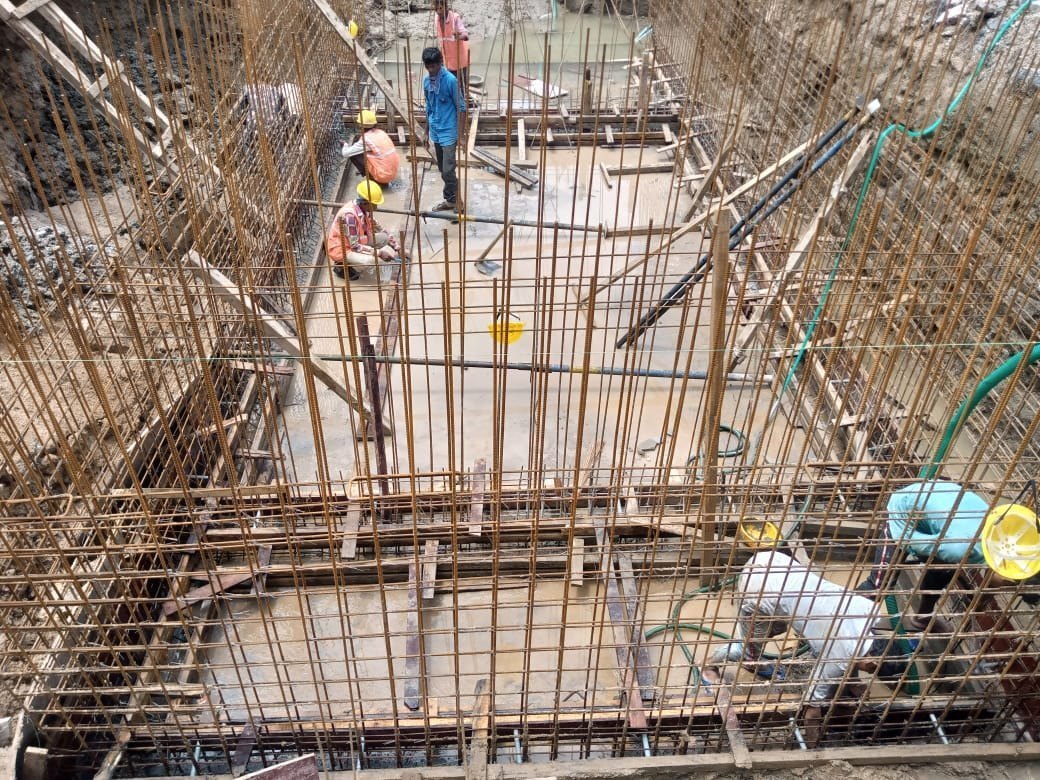
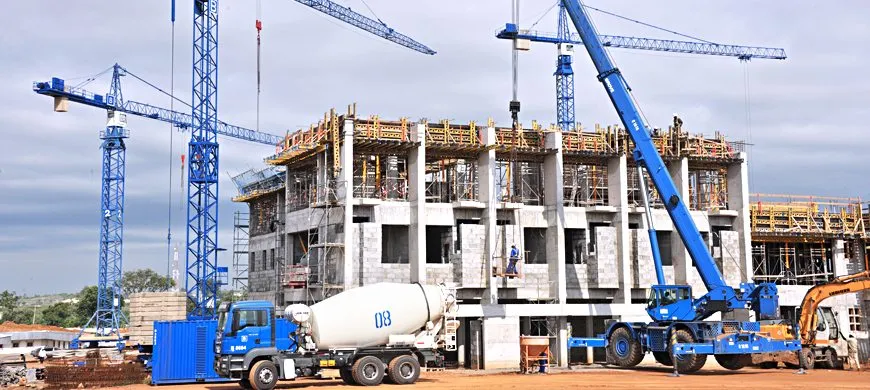
Building Construction Level 6 provides advanced knowledge and practical skills in modern construction technology, materials, and project management. The course focuses on structural systems, site management, sustainable construction practices, and compliance with building codes and regulations. Students will develop competence in interpreting construction drawings, managing resources, and ensuring quality and safety on site.

Course Objectives:
By the end of this course, learners will be able to:

  • Understand and apply advanced construction methods and technologies.

  • Interpret detailed architectural and structural drawings.

  • Manage construction projects effectively, including planning and scheduling.

  • Apply health, safety, and environmental principles in construction.

  • Evaluate sustainable and cost-effective construction solutions.

Target Group:
Students pursuing advanced studies in building construction, civil engineering, or related fields.

Assessment Methods:

  • Practical assignments and projects

  • Written tests and quizzes

  • Group work and presentations

Duration:
Typically one academic term or semester (adjustable based on your institution’s schedule).

This course provides an overview of Civil Engineering principles, including structural design, surveying, and construction materials. It introduces students to practical engineering applications and project-based learning.